
Access Connecticut Criminal History Records
Connecticut criminal history records are official documents that track arrests, convictions, and incarcerations across the state. The Connecticut State Police Bureau of Identification maintains the central repository for these records. You can search criminal history records through online portals, by mail, or in person. State law governs who can access these records and what information is available to the public.
Connecticut Criminal History Quick Facts
Where to Find Connecticut Criminal History Records
Several state agencies keep Connecticut criminal history records. The main source is the State Police Bureau of Identification in Middletown. This office handles all fingerprint-based background checks and criminal record requests. They also manage the Connecticut Criminal History Request System known as CCHRS. You can visit their office at 1111 Country Club Road. Call them at (860) 685-8480 for general questions.
The Connecticut Judicial Branch maintains court records of criminal cases. Their online system shows convictions and pending cases. Visit the Judicial Branch criminal case lookup to search these records. The Department of Correction keeps inmate records. They run the state prison system and maintain records of current and past inmates. Each agency serves a different purpose in the criminal justice system.
Under CGS Chapter 961a, the state sets rules for criminal records. This statute governs what records exist and who can see them. Local police departments also keep arrest records. These records show arrests made in their towns. You must contact each department directly for their records. Some towns put records online. Others require in-person visits.
You can start your search at the State Police Bureau of Identification main page. This portal links to all their services. The site explains how to request records by mail or online. It also lists fees and required forms.
How to Search Criminal History Records in Connecticut
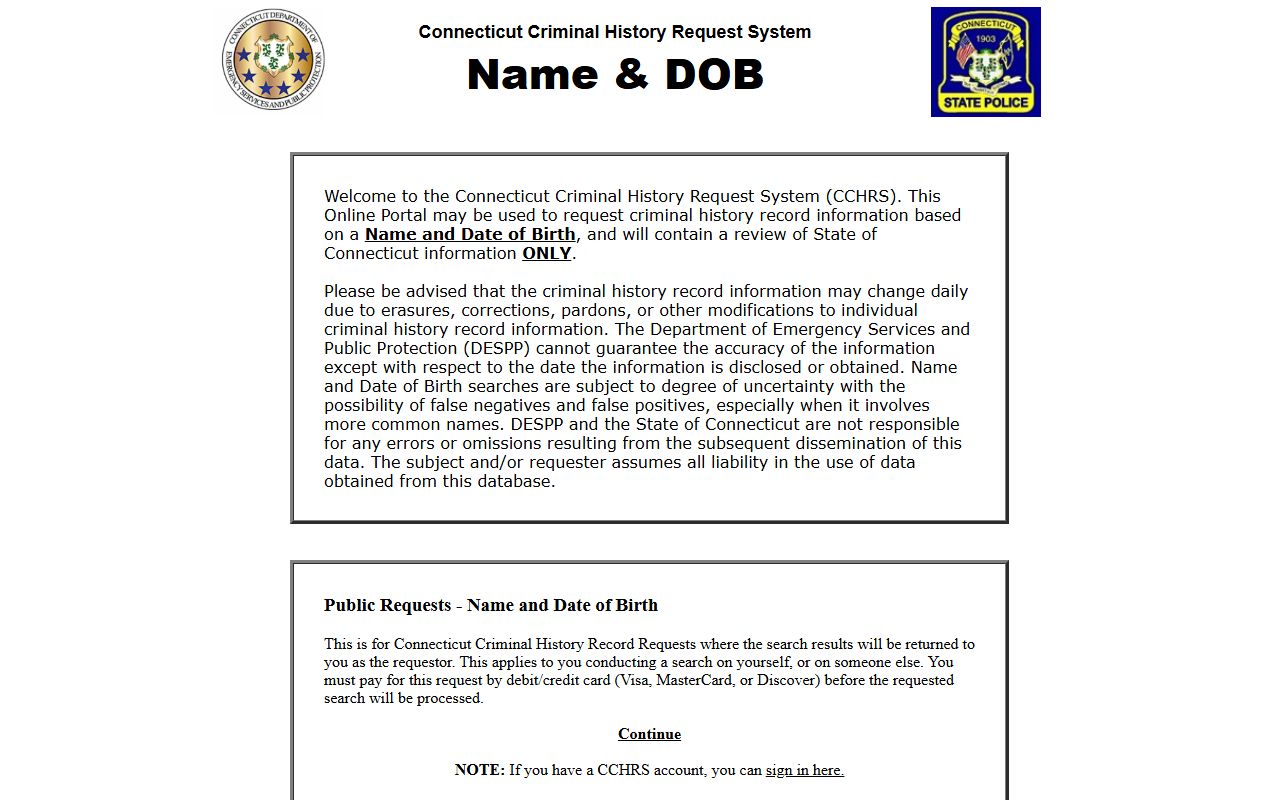
The State Police offer two main ways to search criminal records online. The CCHRS system lets you search by name and date of birth. Visit the Name/DOB search portal to use this service. Results come back quickly. Name searches cost less than fingerprint checks. However, they may miss records. Common names can cause confusion. The system matches exact spellings only.
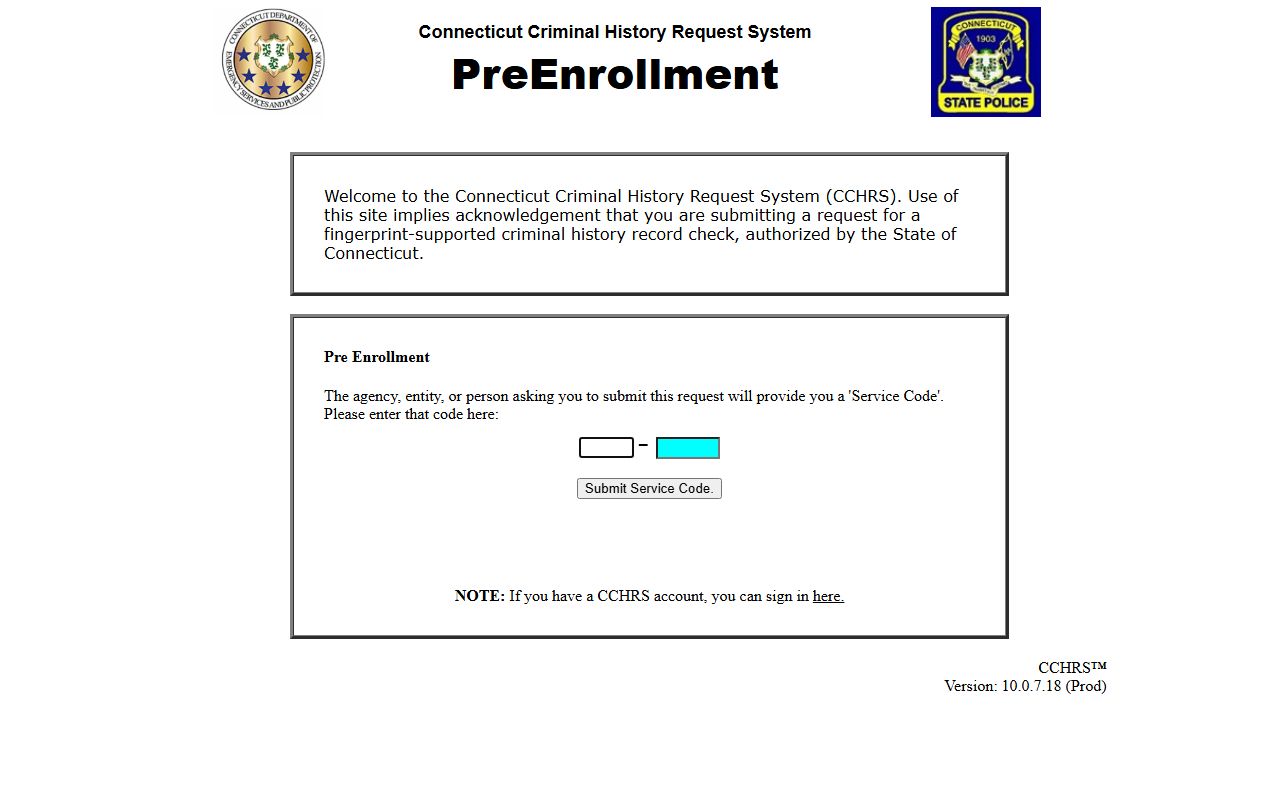
For more accurate results, use fingerprint-based searches. First, visit the CCHRS Pre-Enrollment portal to schedule an appointment. You must go to a fingerprint location in person. Bring valid photo ID. The State Police fingerprint office is at 1111 Country Club Road in Middletown. They take appointments Monday through Friday from 8:30 AM to 4:00 PM. Call (860) 685-8270 for fingerprint services.
The Name/DOB search portal offers a faster option when fingerprints are not required. Visit the Name/DOB search system to look up records by name and birth date. This method works well for basic checks. Results appear immediately after payment. Keep in mind that name-based searches may return incomplete results if names are spelled differently in the system.
Fingerprint searches give the most complete results. They match your prints against state and FBI databases. This method costs more than name searches. State checks cost $75. Federal checks cost $13.25. Fingerprinting itself costs $15. You must pay each fee separately. Bring exact cash, check, or money order. The office does not make change.
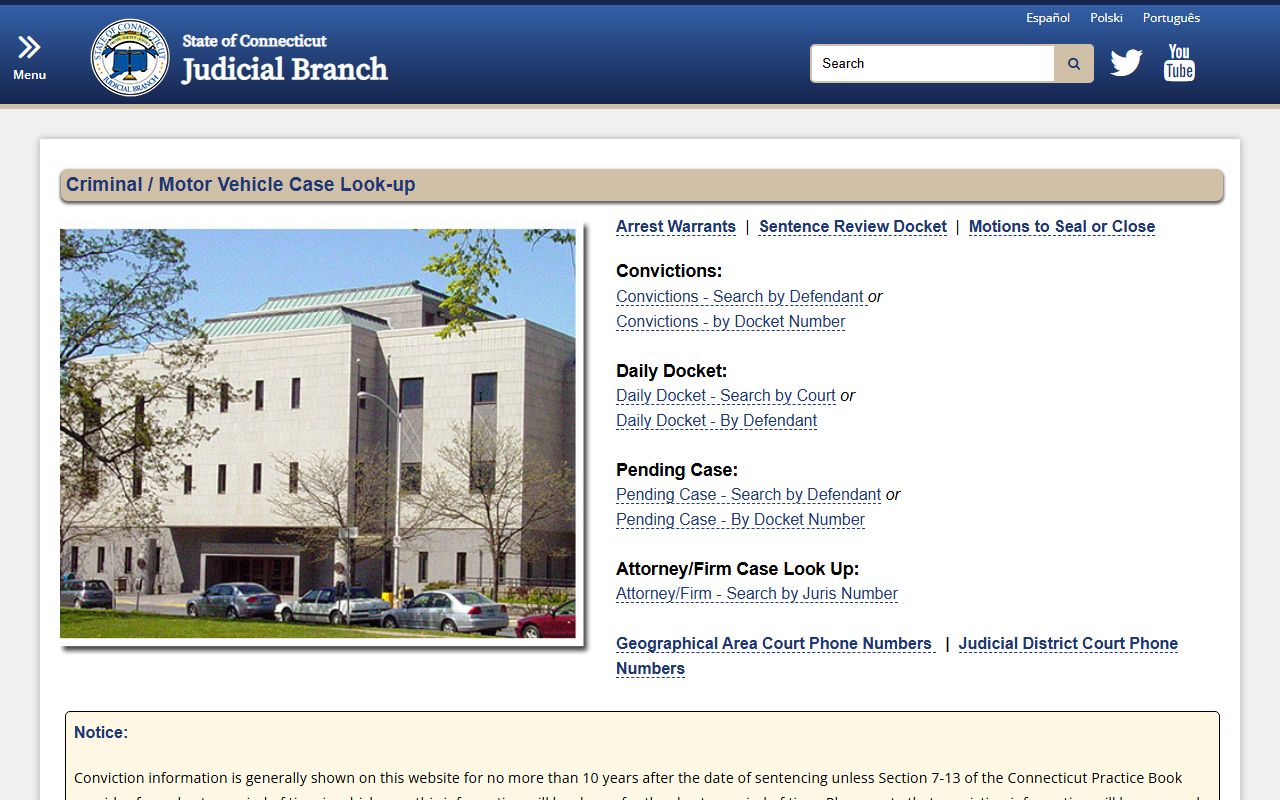
The Judicial Branch also offers online case lookup. Their system shows criminal convictions and pending cases. Visit the Judicial Criminal Case Lookup to start your search. This free tool shows case details from courts across Connecticut. You can search by name or case number. The system displays conviction information for up to ten years after sentencing. Some older records may not appear online.
Note: Online records change daily due to erasures, corrections, and pardons. Always verify important information directly with the agency.
Types of Connecticut Criminal History Records Available
Connecticut maintains several types of criminal records. Each serves a different need. Arrest records show when police took someone into custody. These records include the date, location, and charges at the time of arrest. They come from local police departments. The State Police also create arrest records for incidents they handle.
Court records show what happened in criminal cases. They include charges, pleas, verdicts, and sentences. The Judicial Branch keeps these records. You can access them through the court records request system. Court files contain detailed information about each case. They show motions, hearings, and final judgments.
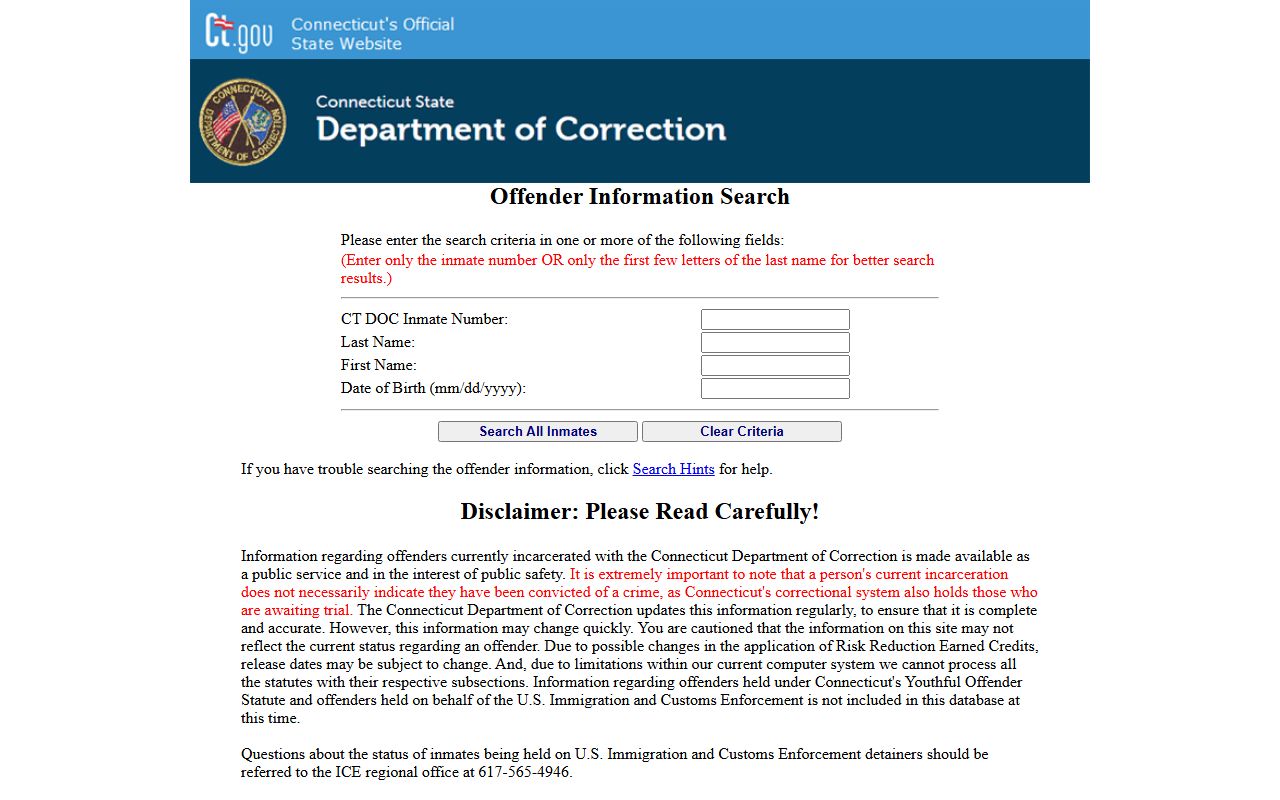
Incarceration records come from the Department of Correction. These show time spent in state prisons. The DOC maintains an inmate search database. You can search by name, DOC number, or birth date. This tool shows current inmates and recent releases. It includes photos and sentence information.
Criminal history reports combine records from multiple sources. The State Police create these comprehensive reports. They include arrests, convictions, and dispositions from across Connecticut. These reports require fingerprinting for accuracy. Employers and licensing boards often request them. Individuals can also request their own records.
Connecticut criminal history records typically include:
- Full name and known aliases of the subject
- Dates of birth and physical description
- Arrest dates, charges, and arresting agencies
- Court case numbers and dispositions
- Conviction dates and sentencing information
- Incarceration periods and release dates
Juvenile records follow different rules. They are not public in most cases. Only certain agencies can access them. The general public cannot search juvenile criminal history. This protects young offenders from lasting stigma. Adult records become public after age 18 unless sealed by a court.
Connecticut State Police Bureau of Identification Services
The State Police Bureau of Identification serves as the central criminal records repository for Connecticut. Located at 1111 Country Club Road in Middletown, this office handles all official criminal history requests. They process thousands of record checks each year. Their services support law enforcement, courts, and individual citizens.
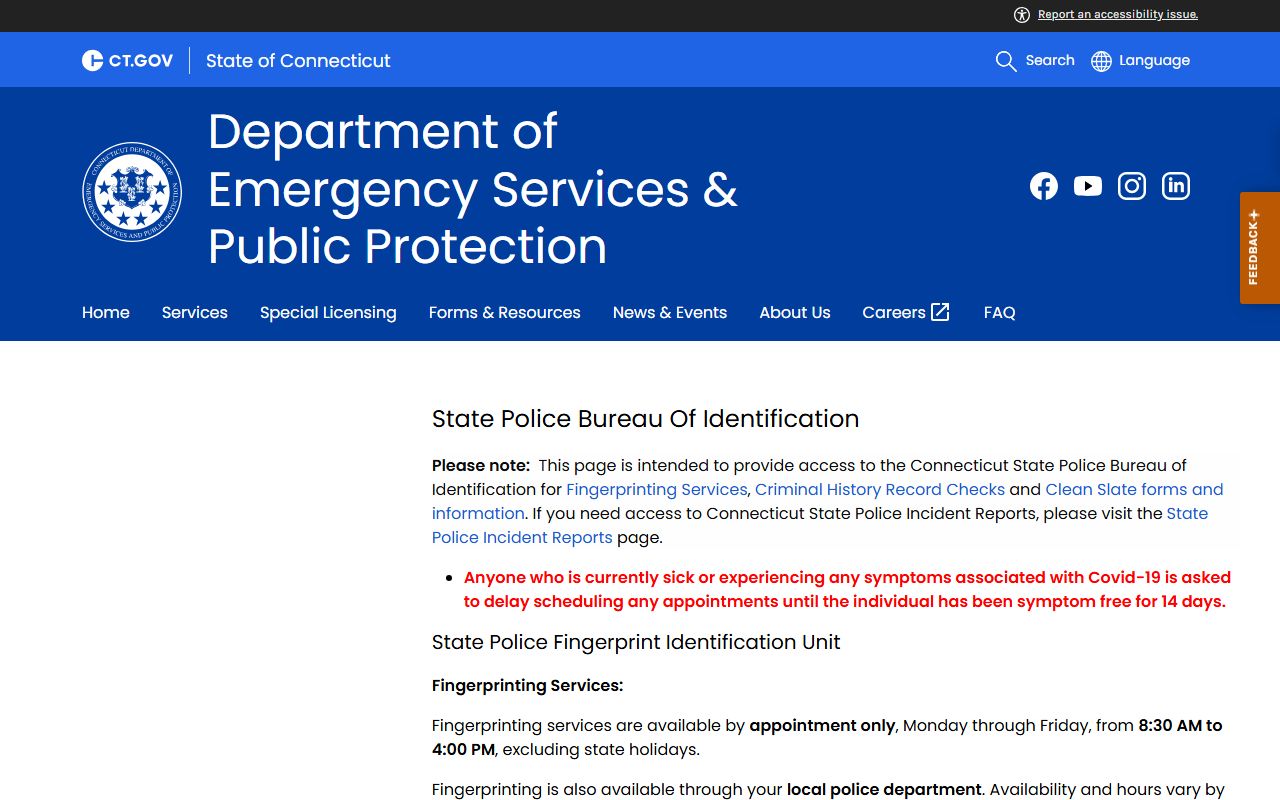
The SPBI offers fingerprinting services by appointment only. Walk-ins are not accepted. Schedule your visit through the pre-enrollment portal. Arrive on time with proper identification. The fingerprinting fee is $15. This must be paid separately from record check fees. Bring exact payment. The office accepts checks, money orders, or exact cash only.
For criminal history requests by mail, use Form DPS-0846-C. This form is available at the background check forms page. The fee is $50 per request. Mail the completed form with payment to the Middletown address. Processing takes several weeks. Results come by mail only.
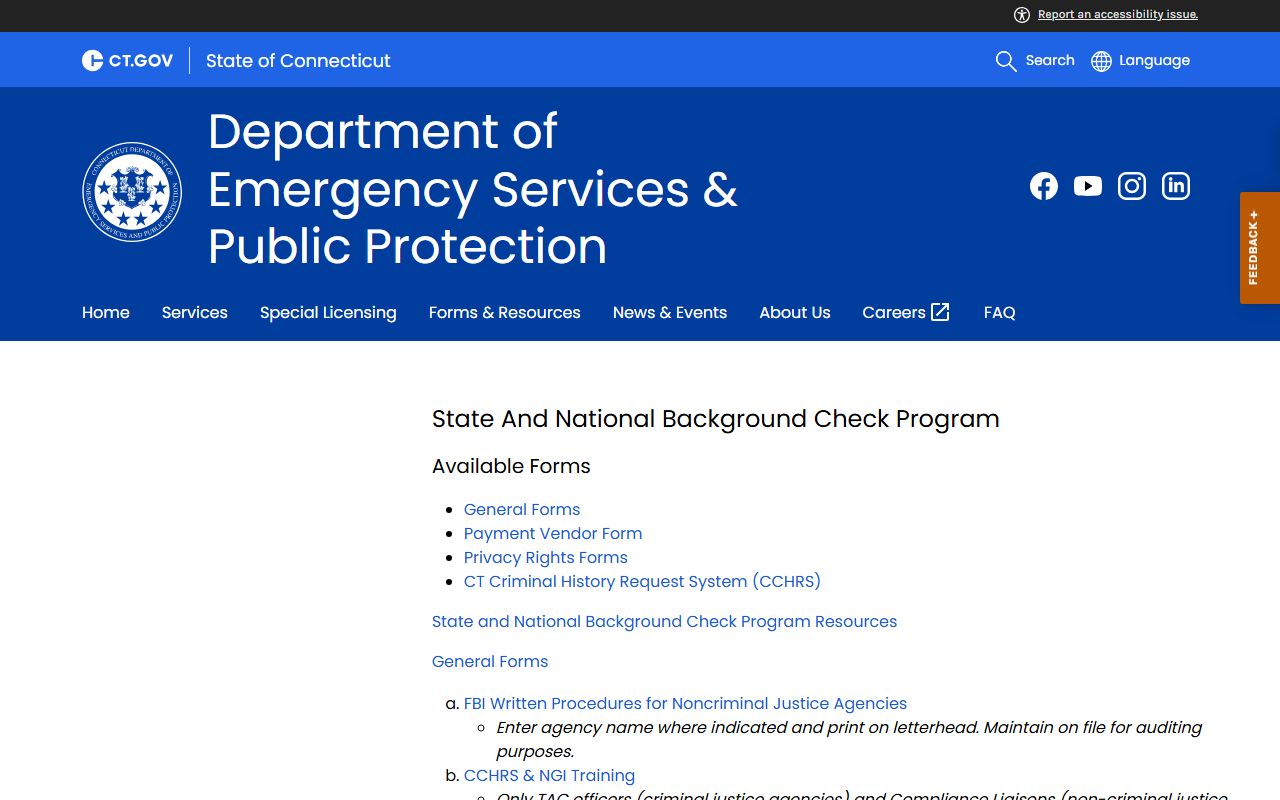
The Bureau also issues Letters of Good Conduct. Use Form DPS-181-C for these requests. These letters serve visa, immigration, and foreign adoption purposes. They certify that a person has no criminal record in Connecticut. The same $50 fee applies. Processing times vary based on request volume.
Contact the State Police Bureau of Identification at (860) 685-8480. Their fingerprint services line is (860) 685-8270. Office hours are Monday through Friday, 8:30 AM to 4:00 PM. Closed on state holidays. You can also visit the State Police reports and records page for more information.
Connecticut Judicial Branch Court Records Access
The Judicial Branch maintains all court records for criminal cases in Connecticut. Their centralized system covers superior courts in all eight counties. You can search these records online or request copies directly from the court. The Records Center handles requests for older cases. Contact them at SuperiorCourtRecordsCenter@jud.ct.gov or call 860-263-2750.
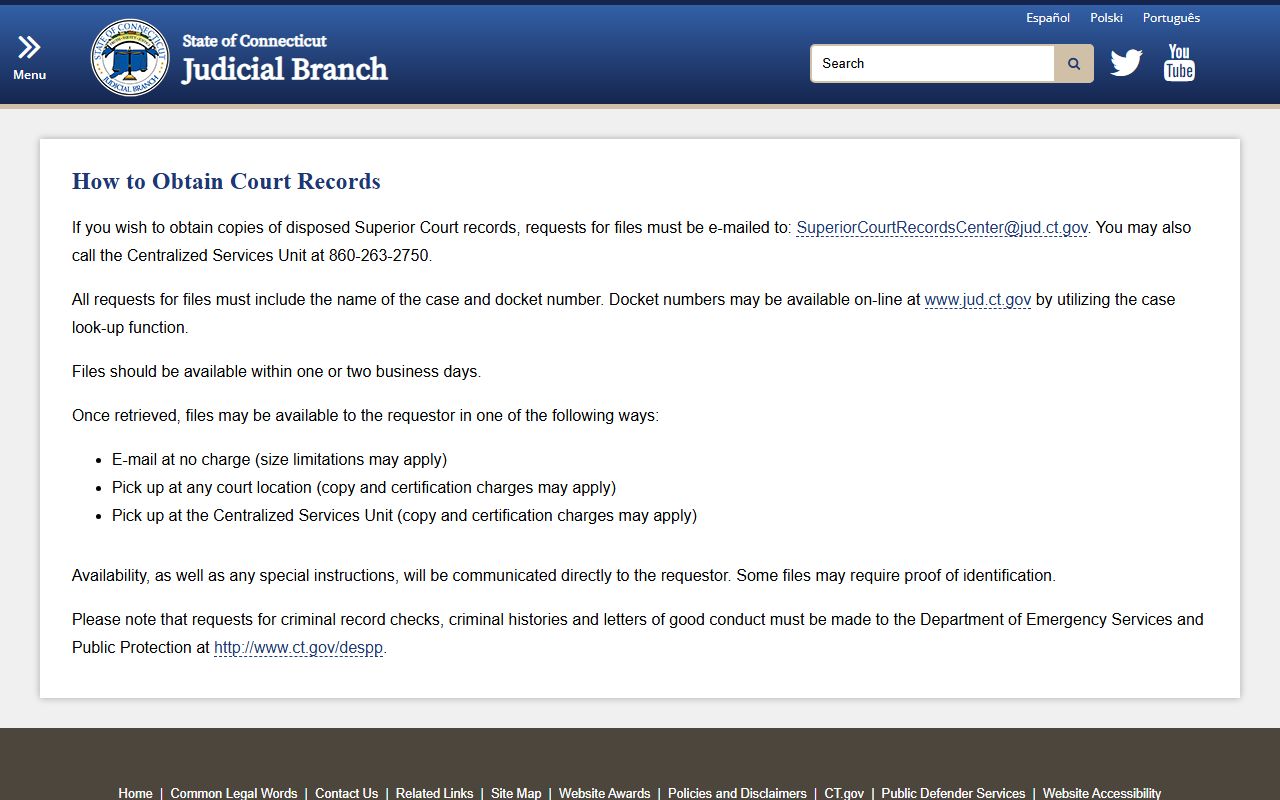
The criminal case lookup system is free to use. It shows pending cases and convictions. Each search displays basic case information. You can see charges, court dates, and outcomes. The system updates daily. However, it only shows information for ten years after sentencing. Older convictions may not appear. Recent arrests might take time to show up.
Court records contain more detail than the online lookup shows. For complete files, submit a records request. The Judicial Branch charges copy fees. Certified copies cost more than plain copies. You can request records by mail or in person. Visit the courthouse where the case was heard. Each court maintains its own files.
Under state law, some court records are sealed. This happens when a judge orders privacy protection. Sealed records are not available to the public. Only parties to the case and their attorneys can access them. Most criminal records remain public unless sealed.
Connecticut Department of Correction Inmate Lookup
The Department of Correction operates all state prisons in Connecticut. Their headquarters is at 24 Wolcott Hill Road in Wethersfield. The DOC maintains records for approximately 9,000 inmates across 14 facilities. You can search inmate records through their online database.
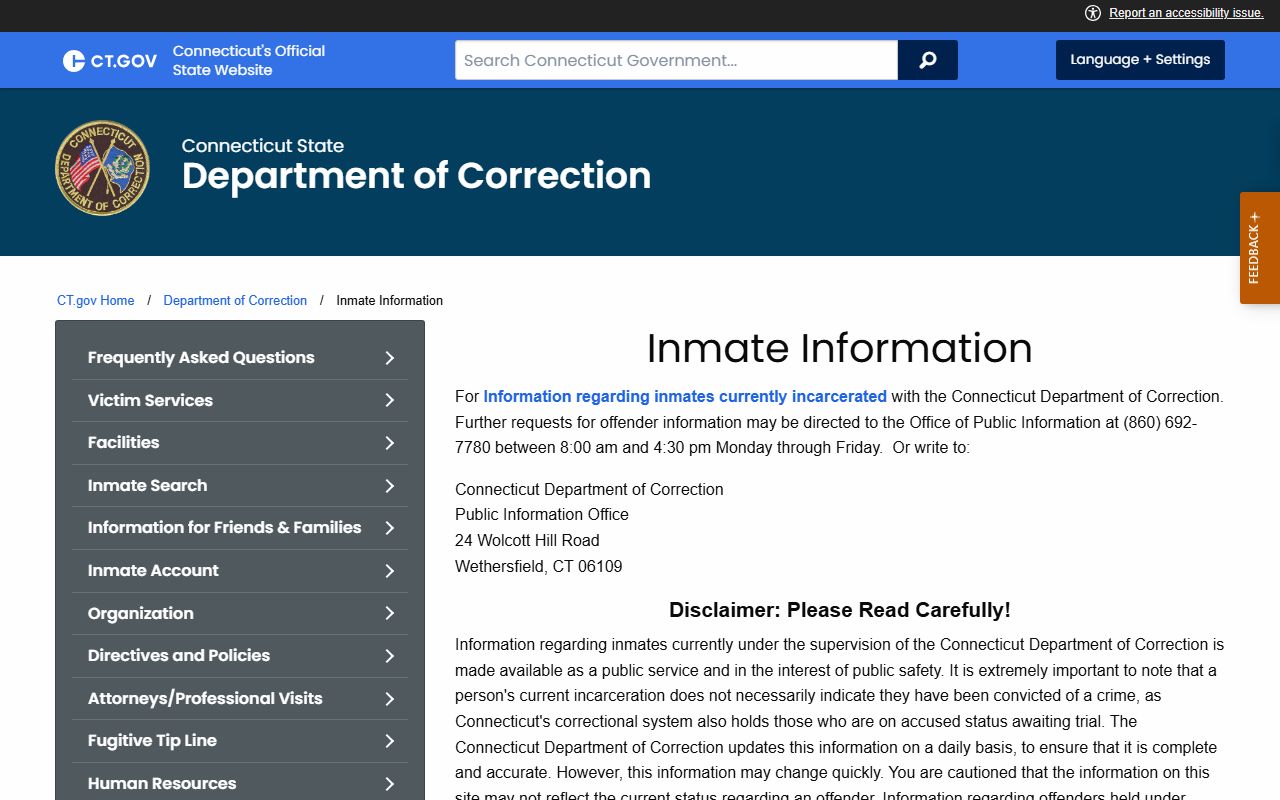
The inmate search tool is available at the CT Inmate Info website. This free service lets you search by name, DOC number, or birth date. Results show current inmates and recent releases. Each record includes a photo if available. You can see conviction information and sentence details.
The DOC database updates regularly. New admissions appear within 24 hours. Release information posts promptly. You can find an inmate's location within the prison system. This helps families stay in touch. It also helps attorneys and advocates track cases.
For questions about inmate records, call the DOC at (860) 692-7480. Their public information office can help with general inquiries. For specific inmate information, use the online search first. This is the fastest way to get current data.
Note: The DOC only maintains records for state prison inmates. Local jails hold pre-trial detainees and short-term inmates. Contact local police departments for jail records. Each town manages its own lockup facility.
Connecticut Clean Slate Law and Record Erasure
Connecticut passed the Clean Slate law to help people move past old convictions. Under CGS § 54-142a, certain records are erased automatically. This happens after a waiting period with no new crimes. The law aims to reduce barriers for people with old convictions.
Misdemeanor convictions become eligible after seven years. The person must stay crime-free during this time. Class D and E felonies require ten years. More serious felonies do not qualify. The clock starts after the sentence ends. This includes any probation or parole.
Some crimes never qualify for automatic erasure. Sex offenses are excluded. Family violence crimes also remain on record. These stay visible even after the waiting period. Other serious felonies may require a court petition for erasure.
The automatic erasure process runs without any action needed. The court system identifies eligible records. They erase them from public databases. However, some agencies may still see erased records. Law enforcement and certain licensing boards have access. The general public cannot see erased records.
For crimes not covered by automatic erasure, you can petition the court. This requires filing paperwork and attending a hearing. A judge decides whether to grant the erasure. Hiring an attorney helps this process. Legal aid organizations offer help for low-income petitioners.
Requesting Connecticut Criminal Records by Mail
Mail requests work well for people who cannot visit in person. The State Police accept written requests for criminal history checks. You must use the proper form. Form DPS-0846-C is required for all mail requests. Include all requested information. Incomplete forms cause delays.
Mail your request to State Police Bureau of Identification, 1111 Country Club Road, Middletown, CT 06457. Include a check or money order for $50. Make it payable to "Treasurer, State of Connecticut." Do not send cash through the mail. Write your phone number on the check.
Processing takes several weeks. Peak periods may take longer. The SPBI processes requests in order received. They do not offer expedited service. Plan ahead if you need records by a deadline. Results come by mail to the address you provide.
You can also request court records by mail. Contact the Judicial Branch Records Center. Email SuperiorCourtRecordsCenter@jud.ct.gov for instructions. Include case numbers if you know them. Provide full names and approximate dates. The staff will guide you through the process.
Fees for Connecticut Criminal History Records
State agencies charge fees for criminal record services. These fees cover processing costs. The State Police Bureau of Identification sets the rates. Fees must be paid at the time of service. No billing is available.
Fingerprinting costs $15. This is separate from record check fees. Criminal history record checks cost $50. This covers state-level searches only. Federal FBI checks cost an additional $13.25. You pay these fees separately. The fingerprinting fee goes to the fingerprint vendor. The record check fee goes to the State of Connecticut.
Payment methods vary by service. For fingerprinting, bring exact cash, check, or money order. For mail requests, send check or money order only. Make payments to "Treasurer, State of Connecticut." The SPBI office does not accept credit cards. They cannot make change for cash payments.
Court records have their own fee schedule. The Judicial Branch charges for copies. Certified copies cost more than regular copies. Contact the specific court for current rates. The Records Center can provide fee information upon request.
Fee waivers are rare for criminal history requests. Most applicants must pay the full amount. Some legal aid programs help with costs. Check with local nonprofits if you need assistance. Veterans may qualify for discounts through some programs.
Note: Fees are subject to change. Contact the agency directly to confirm current rates before submitting payment.
Connecticut Division of Criminal Justice Records
The Division of Criminal Justice prosecutes crimes in Connecticut. They work with police and courts on criminal cases. The DCJ also maintains certain criminal records. Visit the Division of Criminal Justice criminal records page to learn more.
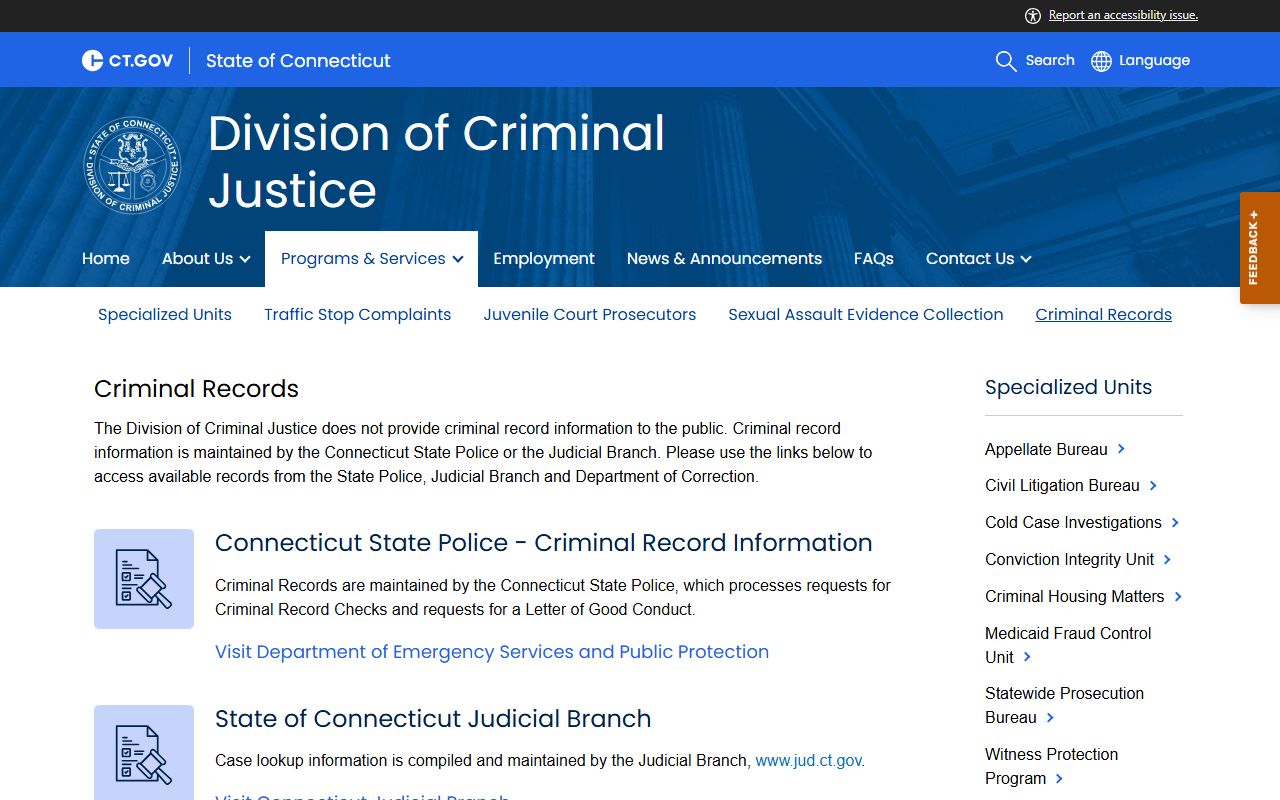
The DCJ handles records related to prosecutions. They track cases from arrest through sentencing. Their files include charging documents and plea agreements. They also maintain victim notification records. This helps victims stay informed about case status.
For questions about prosecution records, contact the DCJ directly. Each judicial district has its own state's attorney office. They handle cases in their area. The main DCJ office coordinates statewide programs. They oversee juvenile prosecutions and special units.
Additional Connecticut Criminal History Resources
Beyond the main agencies, several other resources help with criminal records. The State Police maintain general reports and records services. This includes accident reports and incident records. These may supplement criminal history searches.
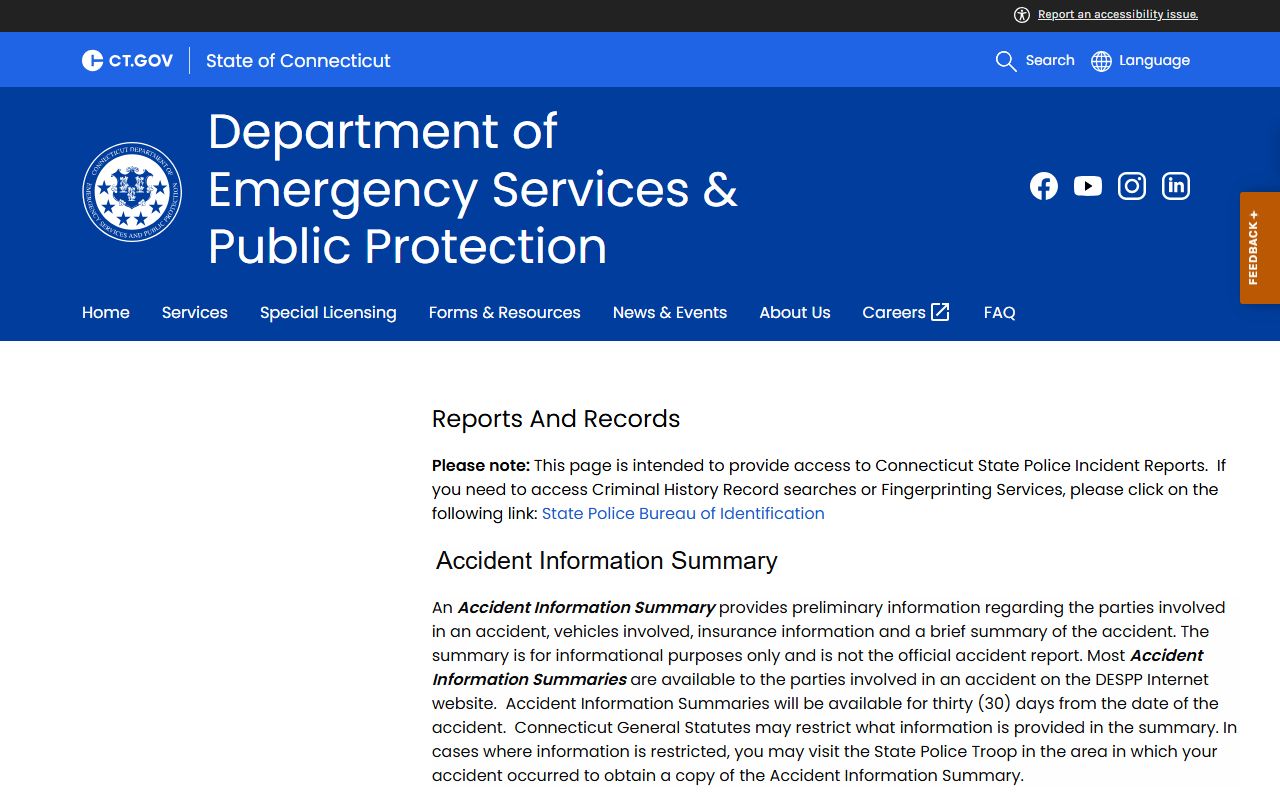
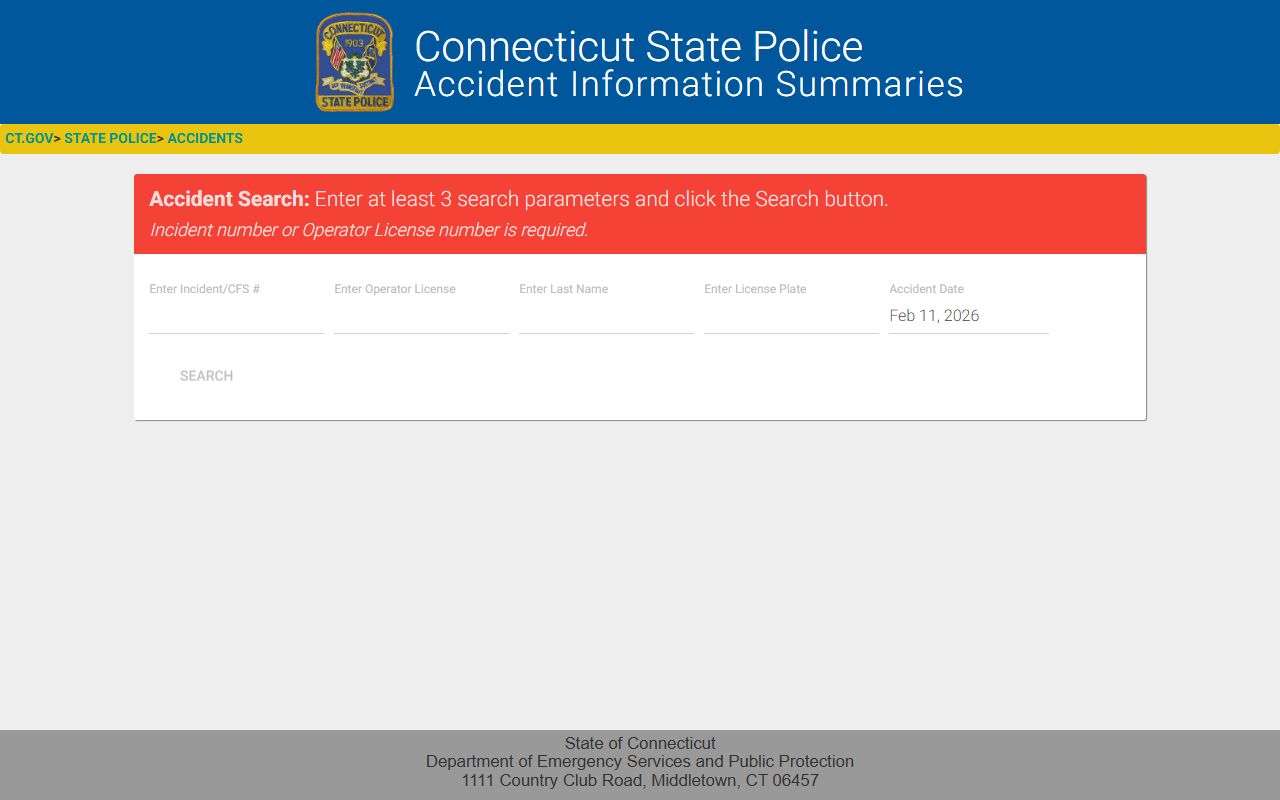
Motor vehicle records sometimes relate to criminal cases. The Accident Information Summary system provides crash reports. These show incidents involving vehicles. Some accidents lead to criminal charges. The accident report may reference related criminal cases.
Public Act 00-01 changed how Connecticut handles law enforcement. This act abolished county sheriffs in 2000. The State Police and local departments took over sheriff duties. This centralizes criminal records at the state level. It makes searches more consistent across Connecticut.
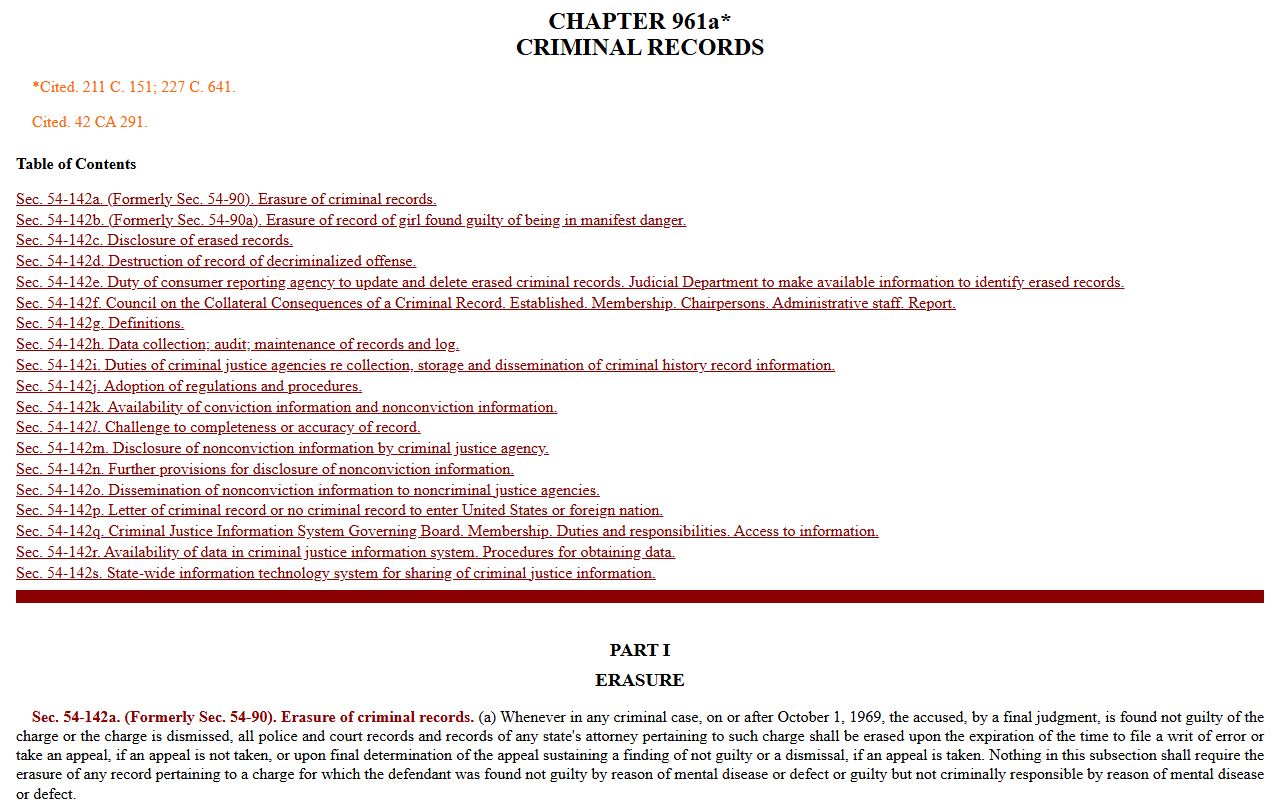
Understanding CGS Chapter 961a helps you navigate record requests. This chapter covers criminal records statutes. It explains your rights regarding your own records. It also sets limits on public access. Read these laws to understand what information is available.
Browse Connecticut Criminal History Records by County
Each of Connecticut's eight counties has courts and law enforcement agencies. County superior courts hear criminal cases. Local police departments make arrests. Select a county below to find local resources for criminal history records.
Criminal History Records in Major Connecticut Cities
Connecticut's cities have busy police departments and active courts. Large cities process many criminal cases each year. Choose a city below to learn about local criminal history resources.